
Blog Page

Resilient Coatings in East Africa: 7 Powerful Climate Solutions Protecting Modern Infrastructure
Introduction
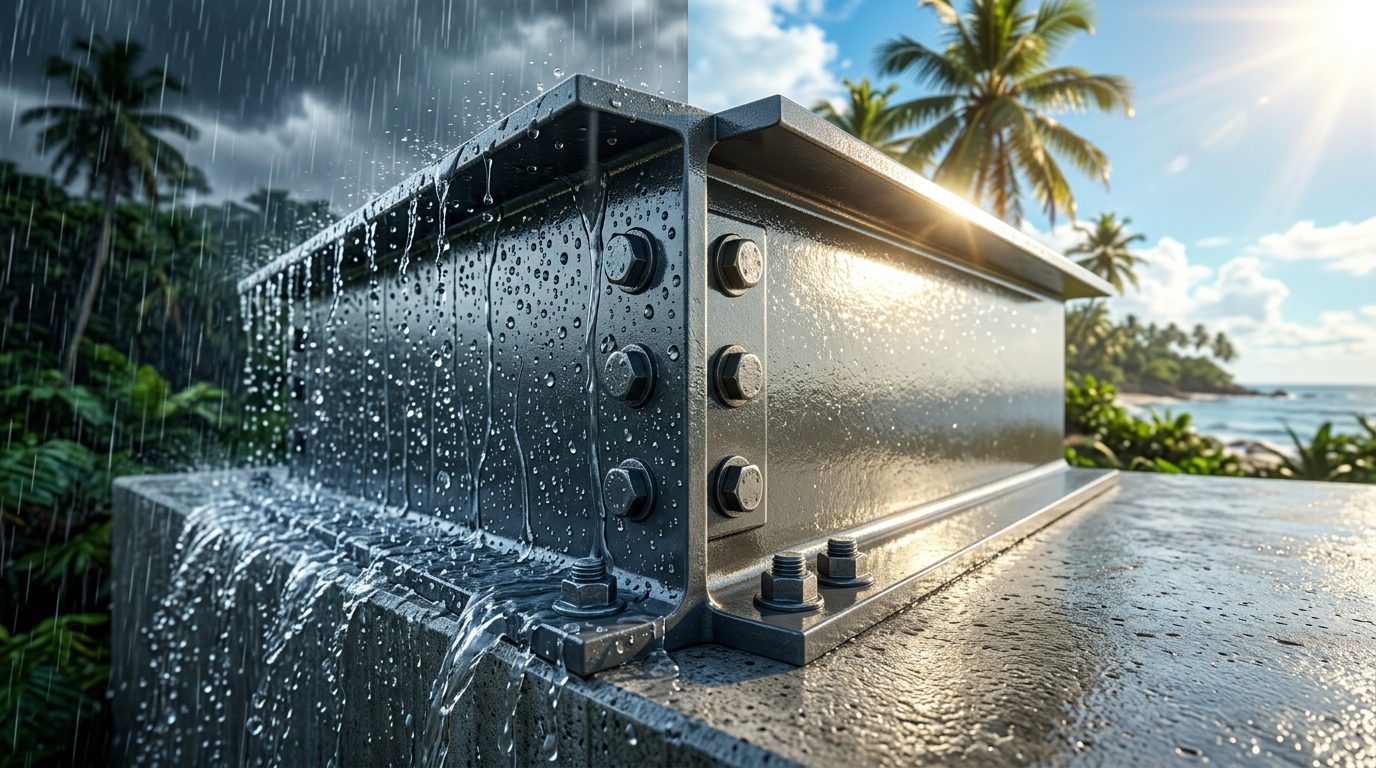
Resilient coatings in East Africa have become a critical engineering requirement as the region accelerates infrastructure development. Intense ultraviolet radiation, coastal salinity, high humidity, and rapid temperature fluctuations create some of the harshest operating environments for protective finishes anywhere in the world. Selecting advanced resin technologies is no longer optional — it is fundamental to ensuring structural longevity, safety, and lifecycle cost efficiency.
As governments and private developers invest heavily in transport networks, manufacturing plants, commercial buildings, and energy infrastructure, the performance of industrial coatings increasingly determines whether assets thrive or deteriorate prematurely. High-performance polymers and synthetic resins now form the invisible shield protecting modern construction materials.
Table of Contents
- Why Resilient Coatings in East Africa Matter
- Climate Pressures Driving Demand
- Thermal Cycling and Structural Stress
- UV Exposure and Polymer Degradation
- Moisture, Corrosion, and Coastal Risk
- Advanced Resin Technologies Improving Durability
- Why Synresins Leads in Climate-Engineered Coatings
- The Future of Resilient Coatings in East Africa
Why Resilient Coatings in East Africa Are Now Mission-Critical
Across East Africa, infrastructure is expected to deliver decades of service under aggressive environmental exposure. Without corrosion resistance and UV-resistant coatings, steel weakens, concrete carbonates faster, and exterior finishes degrade long before their design life.
Resilient coatings act as a primary risk-management strategy — preventing moisture ingress, reducing maintenance cycles, and protecting long-term capital investment.
Climate Pressures Driving Demand for Resilient Coatings in East Africa
The region experiences environmental extremes that challenge conventional protective coatings:
- Equatorial UV intensity
- High humidity zones
- Salt-laden coastal air
- Large day-to-night temperature swings
- Seasonal rainfall variability
According to the extreme UV exposure levels outlined by global health authorities, prolonged radiation significantly accelerates polymer breakdown — making advanced resin engineering essential.
Thermal Cycling: A Hidden Threat to Infrastructure
Daily expansion and contraction create microfractures within coatings. Over time, these fractures allow water intrusion that triggers corrosion beneath the surface.
Modern high-performance polymers are engineered with elasticity to accommodate structural movement without cracking — dramatically improving infrastructure durability while lowering lifecycle cost.
How UV Radiation Tests Resilient Coatings in East Africa
Continuous sunlight exposure causes fading, chalking, and binder degradation in low-grade finishes. UV-resistant coatings formulated with stable resin backbones preserve gloss, colour, and adhesion even after years of exposure.
This is especially critical for:
- Commercial roofing systems
- Industrial facilities
- Exterior façades
- Transport infrastructure
Moisture, Corrosion, and Coastal Exposure
Humidity frequently exceeds optimal coating thresholds across tropical zones. Without proper film formation, protective layers fail prematurely.
Compliance with international corrosion protection standards helps ensure coating systems perform reliably in aggressive environments.
Advanced synthetic resins improve barrier protection by limiting permeability — preventing oxygen and water from reaching vulnerable substrates.
Advanced Resin Technologies Behind Resilient Coatings in East Africa
Breakthroughs in resin chemistry are redefining protective coatings across modern construction.
1. Acrylic Emulsions
Known for superior weather resistance and color retention, acrylic systems deliver long-term performance in decorative and protective coatings.
2. Alkyd Technologies
Ideal for demanding environments requiring strong adhesion and finish durability.
3. Polyester Systems
Widely used where mechanical strength and chemical resistance are essential.
4. Hybrid Resin Formulations
Combining multiple polymer technologies enhances flexibility, adhesion, and longevity.
Explore our expertise in synthetic resins for industrial applications to understand how engineered chemistry improves coating performance.
Why Synresins Engineers Climate-Ready Resin Systems
As a regional manufacturer, Synresins develops customised resin solutions specifically for East African operating conditions.
Unlike generic imports, localised formulation allows precise control over:
- Film durability
- UV stability
- Chemical resistance
- Mechanical performance
- Application behavior
Our approach centres on partnership — helping manufacturers, contractors, and developers select customised resin solutions in East Africa that align with project demands.
Additionally, innovations in resin-based adhesives for construction are strengthening structural bonding across modern builds.
By manufacturing locally, Synresins reduces supply uncertainty while enabling faster technical support — a decisive advantage in fast-moving construction environments.
The Future of Resilient Coatings in East Africa
Urbanisation and industrial growth will continue to raise performance expectations for protective coatings. Developers are increasingly prioritising durability over short-term savings, recognising that resilient coatings directly influence asset value.
Emerging trends include:
- Eco-conscious coating formulations
- Longer maintenance intervals
- Higher-performance construction materials
- Climate-adaptive polymer technologies
As infrastructure investment accelerates across the region, resilient coatings in East Africa will increasingly determine the durability, safety, and long-term financial performance of industrial and commercial assets.
By combining advanced polymer science with localised technical expertise, Synresins is helping manufacturers, contractors, and developers build structures designed not just to perform — but to endure.
Frequently Asked Questions
What are resilient coatings?
Resilient coatings are advanced protective finishes engineered to withstand environmental stress such as UV radiation, humidity, corrosion, and temperature fluctuations.
Why are resilient coatings important in East Africa?
East Africa’s climate accelerates material degradation. High-quality resin coatings significantly extend infrastructure lifespan and reduce maintenance costs.
Which resins perform best in harsh climates?
Acrylics, alkyds, polyester systems, and specialised emulsions provide superior durability in demanding environments.